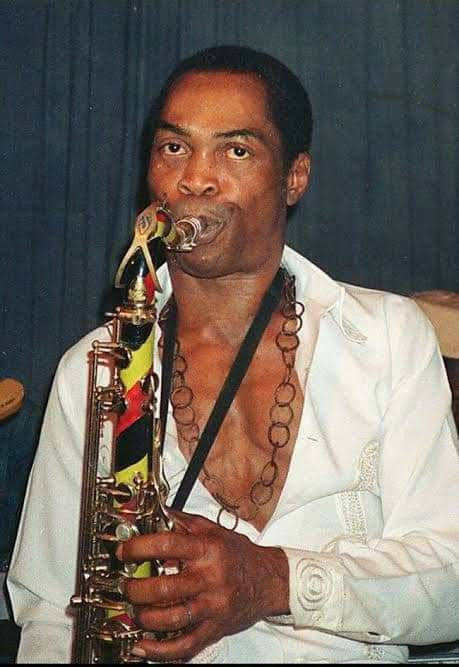
The Mystery Behind Fela Kuti’s Death and the Last Days of the Afrobeat Legend
The Mystery Behind Fela Kuti’s Death and the Last Days of the Afrobeat Legend
By the summer of 1997, something had changed about Fela Anikulapo Kuti.
The man who had stood up to soldiers, challenged powerful governments, and survived countless arrests was no longer the energetic performer fans had always known. Those close to him noticed that he was becoming weaker. He lost weight, looked frail, and his health continued to decline. Yet, as always, Fela refused to slow down.
For years, rumours spread across Nigeria. Some believed he had been poisoned because of his fearless criticism of military rulers. Others claimed he was suffering from a mysterious illness. With Fela’s history of clashes with the authorities, many people found it difficult to believe that illness alone could bring down such a fearless man.
Then came the shocking announcement.
On 2 August 1997, Fela died in Lagos at the age of 58. The news stunned Nigeria and the rest of the world. Streets became unusually quiet as millions mourned the man who had transformed African music into a weapon against injustice.
A few days later, his younger brother, Dr. Olikoye Ransome-Kuti, publicly announced that Fela had died from complications related to AIDS. The revelation sparked intense debate. Many fans rejected the diagnosis, insisting there was more to the story. Others accepted the medical explanation, while conspiracy theories continued to spread.
Nearly three decades later, there has never been credible evidence that Fela was assassinated or poisoned. Medical experts and his family maintained that his immune system had been severely weakened by HIV/AIDS, leading to complications that eventually claimed his life.
Even in death, Fela remained larger than life.
More than one million people reportedly joined his funeral procession through the streets of Lagos. It became one of the biggest public farewells ever witnessed in Nigeria. Musicians, activists, market women, students, and ordinary citizens came together to honour a man who never stopped speaking for the oppressed.
Today, Fela’s music still echoes across the world. Songs like “Zombie,” “Sorrow, Tears and Blood,” and “Water No Get Enemy” continue to inspire new generations. His legacy lives on through the annual Felabration festival and through his sons, Femi and Seun Kuti, who continue to carry the Afrobeat tradition.
Whether people remember him as a musical genius, a fearless activist, or one of Africa’s greatest cultural icons, one thing is certain: Fela’s voice refused to die. It still challenges power, questions injustice, and reminds us that music can change society.
What do you think? Was Fela’s death simply the result of illness, or do you believe there are still unanswered questions surrounding his final days? Share your thoughts respectfully in the comments.