
History; AGHA IDU AND OBA
History; AGHA IDU AND OBA
Agha Idu n’Ọba: The War Between people of Idu and the Ọba
In the oral traditions of many Igbo communities, especially in the western parts of Igboland (Enuani and nearby areas), the story of Agha Idu n’Ọba — the War between Idu and the Ọba — is remembered as a pivotal ancient conflict. It tells of a once-prosperous community called Idu that stood on the frontier between Igbo territories and the powerful Benin Kingdom (Bini/Edo). The war led to the scattering of Idu’s people and left a lasting mark on the cultural memory of the region
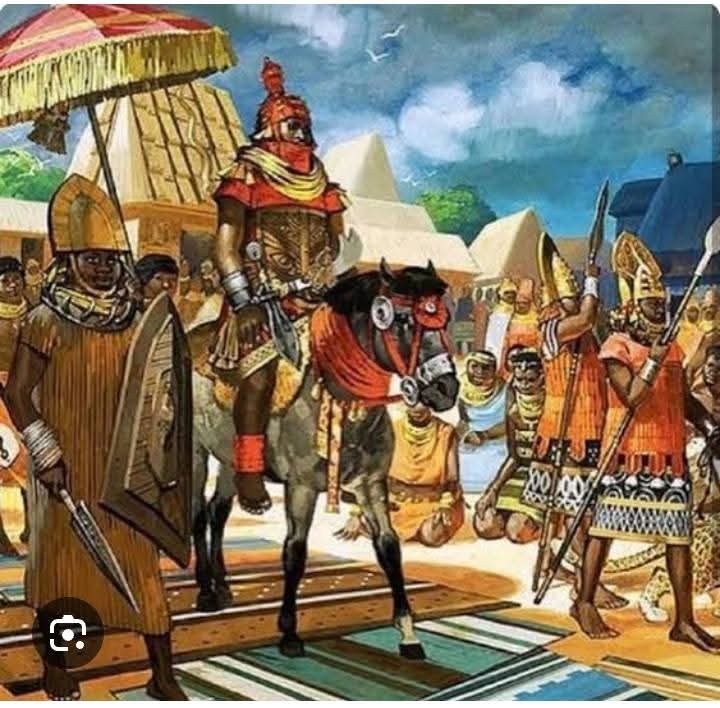
Idu is described as a thriving settlement or group of communities located near the western edges of Igboland, close to the Benin Kingdom. Its people were known for their independence, agricultural lands, and possibly spiritual or medicinal expertise. The Benin Kingdom, under its Ọba, was a formidable empire with a well-organized army, known for expansion, tribute systems, and military strength. Tensions arose from proximity, differing ideas of sovereignty, and occasional disputes over resources or respect.
Oral traditions preserve several overlapping accounts:
A new Ọba ascended the throne in Benin and demanded tribute from the neighboring Idu people as a sign of submission. The people of Idu, valuing their autonomy, refused. This refusal escalated into open conflict. Rather than live under subjugation, many in Idu chose migration eastward into other Igbo territories. This movement is sometimes linked to broader migration stories, such as those involving Eze Chima and the founding or strengthening of certain western Igbo lineages . Eze Chima and his group crossed or moved along the Niger River area, contributing to the founding or strengthening of communities such as Onitsha (sometimes called Onitsha Ado n’Idu), Onicha-Olona, Onicha-Ugbo, Issele-Ukwu, and others in the Anioma region. These migrations are framed as quests for freedom and self-determination.
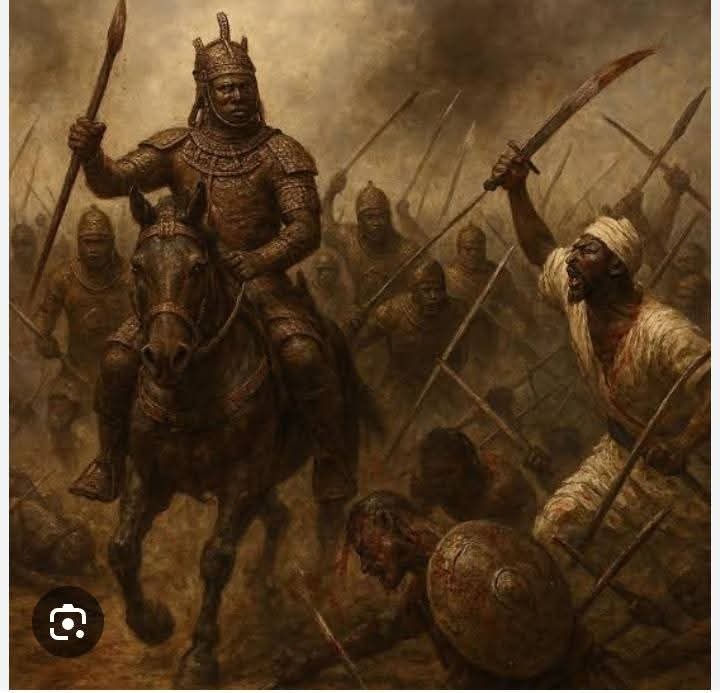
A more personal catalyst is often recounted. The Ọba’s mother (or a high-ranking woman from the Benin court) was said to have wandered into Idu farmland while gathering firewood. Confronted by locals, an argument broke out. She was allegedly insulted or mishandled. Word reached the Ọba, who, filled with rage, mobilized his warriors for vengeance. The Benin forces attacked Idu, overwhelming the community through superior numbers and organization. Idu was defeated, its people fled in disarray, and the settlement effectively vanished as a distinct power, with survivors dispersing and integrating into new areas.
Association with Specific Rulers
Many traditions point to Ọba Esigie (reigned approximately 1504–1550 CE) as the king involved. Benin accounts also recall tensions with an influential Igbo healer or figure known as Inkwin, whose departure or falling out added to the strains. Other versions, particularly around Ubulu-Uku, place similar conflicts in the mid-18th century during the time of Ọba Akengbuda and local leaders like Obi Olisẹ́, involving figures such as Princess Adesuwa and strategic alliances or betrayals (e.g., with the Ezomo).
The Aftermath
The defeat or displacement of Idu triggered waves of migration. Families and groups moved deeper into Igboland, carrying their stories, traditions, and names with them. Some settled in new communities, influencing local customs, titles, and spiritual practices. In certain retellings, the war is remembered not just as a loss but as a story of resilience — how the people of Idu preserved their identity despite dispersal.
In Ubulu-Uku traditions (sometimes called the Aya-Adesuwa war), the conflict includes dramatic elements: initial failed invasions, poisoned wells that weakened the invading army, spiritual preparations by herbalists and priests, and eventual outcomes where Benin forces suffered heavy losses before any resolution. These accounts often emphasize local heroism and the costs of imperial ambition.
Significance Today
Agha Idu n’Ọba is more than a war story. It is part of the rich tapestry of pre-colonial West African history, illustrating themes of sovereignty, cultural contact, migration, and the complex relationships between neighboring powers. It reflects real patterns of interaction — trade, marriage, rivalry, and warfare — between Edo and Igbo peoples over centuries.
The tale survives in folklore, family genealogies, songs, and modern media (including books, films, and videos). Different communities may emphasize different details, reflecting their own perspectives on identity and origins. Like many oral histories, exact dates, numbers, and sequences blend legend with historical kernels, but the core narrative continues to connect people to their ancestral past.
A British anthropologist G.T. Basden describe this war as a series of violent clashes triggered by two primary factors: people of idu and Benin emperor (ọba) one of the picture attached to the post is G .T basden report { the Niger ibos pp 121}
This story reminds us of the enduring power of memory in shaping how communities understand their place in the world — from ancient frontiers to the present day.
 Hi welcome to my website