PRE-COLONIAL IGBO DEMOCRACY THE WORLD’S FIRST DIRECT DEMOCRACY
PRE-COLONIAL IGBO DEMOCRACY THE WORLD’S FIRST DIRECT DEMOCRACY
Long before colonialism, Igboland operated one of the most advanced systems of participatory governance in human history. Unlike the centralized monarchies and empires common in other parts of Africa and the world in the pre-colonial era, most Igbo communities practiced a decentralized, republican system. Power did not reside in one man or one palace. It resided in the people. This system was rooted in the Igbo philosophy of Igwebuike “strength in community” — and Onye aghala nwanne ya — “nobody should abandon his brother.”
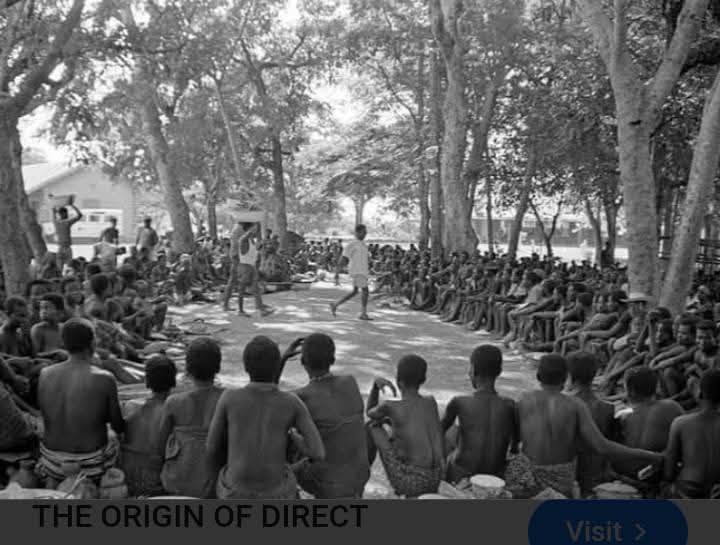
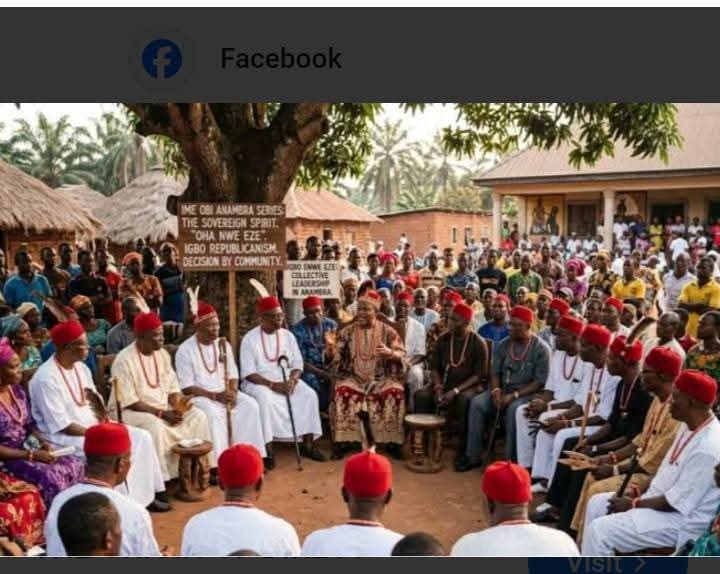
The basic unit of government was the village, made up of related family compounds called umunna. Each village governed itself through open assemblies. Every adult male, and in many cases titled women, had the right to speak and be heard. Decisions on land disputes, war, peace, market days, and communal labor were taken collectively under the big tree in the ama. There were no kings imposing decrees. Instead, there was debate, consensus, and accountability. The community was the government.
Several institutions ensured that power remained distributed.
- The Council of Elders Ndi Okenye: Custodians of custom and law.
- Age Grades Otu Ogbo: Responsible for security, sanitation, and executing community decisions.
- Title Societies Ozo, Nze, Ichie: Provided checks and balances. A titled man could be de-titled for misconduct.
- Umuada : Daughters of the lineage and women’s councils who had veto power over issues affecting women and children.
- The Oracle and Dibia: Provided spiritual legitimacy but had no executive power.
This separation of powers existed centuries before Montesquieu wrote about it.
Justice in Igboland was restorative, not punitive. Cases were heard publicly. Both parties presented their case before the assembly. If a chief or elder became tyrannical, the people could use Igba Ozu — ostracism — or withdraw cooperation. No one was above the community. Wealth and titles gave influence, not absolute power. The system produced order without a standing army or police force because social pressure and culture enforced the law.
Researchers and historians now argue that pre-colonial Igboland was one of the earliest, if not the first, large-scale examples of direct democracy. Athens had it for free men. Igboland had it for entire communities, with women’s institutions and age-grade participation built in. There was no need for representatives because the people gathered and decided directly. The British colonial officers themselves were confused by it. They called it “government without government” and were forced to invent “Warrant Chiefs” because they could not find kings to sign treaties with.
The coming of the white man and the imposition of indirect rule in 1900 deliberately dismantled this system. Warrant Chiefs were appointed, often from families with no traditional authority. Communal land was centralized. The open village assembly was replaced by colonial courts. This broke the chain of accountability and planted the seed for many of Nigeria’s governance problems today.
The pre-colonial Igbo demonstrated that a society can be peaceful, prosperous, and ordered without kings, without dictators, and without external force. Power belonged to the people, and the people protected it.
As we face challenges of corruption and bad governance today, perhaps the answer is not to copy foreign systems blindly, but to return to the indigenous wisdom that worked: transparency, participation, and community accountability.
Our ancestors governed themselves well. We can learn from them again.