THE 31 YEARS OF WAR BETWEEN THE IGBO AND THE BRITISH EMPIRE (1883 to 1914).
THE 31 YEARS OF WAR BETWEEN THE IGBO AND THE BRITISH EMPIRE (1883 to 1914).
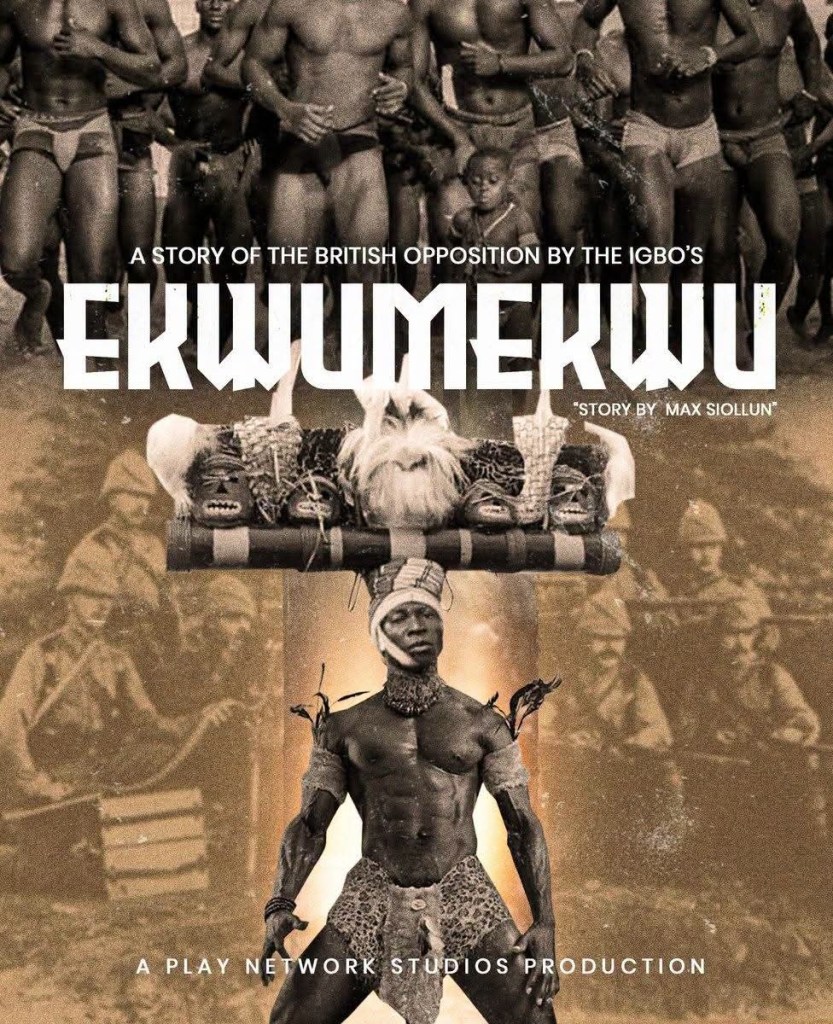
The war was named the EKUMEKU war.
The Ekumeku were a group of Igbo resistance fighters/warriors.
The Ekumeku warriors were especially from areas of present-day Delta State and Anambra/Igbo hinterland
The Igbo warriors fought against the British empire and colonial expansion in the late 19th and early 20th centuries.
The term “Ekumeku” means “keep it secret while resisting”
The Ekumeku Wars (from 1883 to 1914) were a prolonged series of armed conflicts between British colonial forces and local Igbo communities.
The resistance became particularly strong among communities such as Ogwashi-Uku, Ibusa, Issele-Uku, and surrounding towns.
The fighters used guerrilla tactics, including ambushes and attacks on British forces and their African auxiliaries (mostly the Binis, Igalas, Y0rubas and the Fulanis).
97% of the British forces that fought against the Ekumeku warriors were made up of black Africans (mostly Y0ruba and Bini).
A notable British officer, Captain H. C. Chapman, was killed during the major fighting at Ogwashi-Uku on 2 November 1909.
Many other high-ranking British soldiers were killed.
The British eventually gained the upper hand through superior firearms, military organisation and repeated punitive expeditions.
By 1914, organised Ekumeku resistance had effectively been defeated.
After the defeat of the Ekumeku warriors, the British amalgamated Nigeria into one country.
As you can see the Igbos right from day 1 never wanted to be part of Nigeria.
Another resistance came in 1967 under General Chukwuemeka Ojukwu.
The Igbos are still resisting Nigeria till date.
One day, the Igbos shall be free.
 Hi welcome to my website