THE IGBO COUP, OR THE SOLDIER WHO MEANT WELL FOR NIGERIA?
THE IGBO COUP, OR THE SOLDIER WHO MEANT WELL FOR NIGERIA?
THE MOST CONSEQUENTIAL NIGERIAN MILLITARY OFFICERS OF THE 20TH CENTURY.
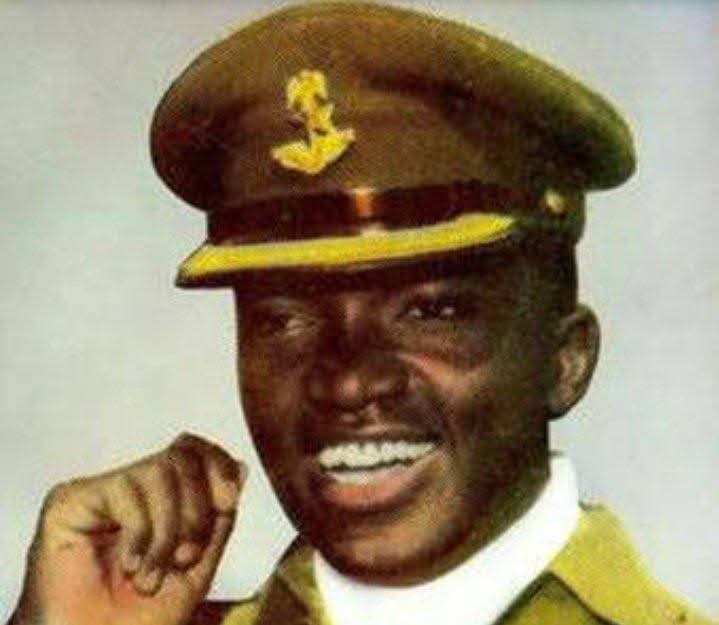
He is best known for his leading role in the 15 January 1966 coup, Nigeria’s first military coup.
Major Patrick Chukwuma Kaduna Nzeogwu was
born on 26 February 1937, in Kaduna.
Nzeogwu was born and raised in Kaduna to Igbo parents from the area around present-day Delta State.
He was particularly associated with Kaduna and was fluent in Hausa, which contributed to his nickname “Kaduna.”
He joined the Nigerian Army in 1957 and later attended the Royal Military Academy Sandhurst in Britain.
He also became one of Nigeria’s early military intelligence officers and served as an instructor at the Nigerian Military Training College in Kaduna.
The January 1966 coup
Nzeogwu became the most prominent figure in the first military coup of 15 January 1966.
He led the operation in the Northern Region and made a radio broadcast from Kaduna announcing the suspension of the existing political order.
The coup resulted in the deaths of several senior political and military figures, including Prime Minister Abubakar Tafawa Balewa and Northern Premier Ahmadu Bello.
However, the coup did not succeed nationally. Major General Aguiyi-Ironsi eventually emerged as the country’s military leader.
It is worth noting that historians disagree about how to characterize the coup. It is sometimes called an “Igbo coup” because several of the principal plotters were Igbo, but the group was not exclusively Igbo, and interpretations of its motives remain contested.
Following the failed coup, Nzeogwu was detained. After the outbreak of the Nigerian Civil War in 1967, he joined the forces of the breakaway Biafran government.
Major Kaduna was killed in July 29 1967 near Nsukka while serving with Biafran forces.
His remains were eventually buried in Kaduna with military honours after the war.
Nzeogwu remains a highly controversial figure. Some see him as a young nationalist who wanted to confront corruption and political dysfunction; others regard his participation in the coup as a major turning point that helped open the way to prolonged military intervention in Nigerian politics.
What is beyond dispute is that Nzeogwu’s actions in January 1966 fundamentally changed Nigeria’s political history, setting in motion events that included the July 1966 counter-coup and, ultimately, the Nigerian Civil War.
May his soul continue to find rest with his maker.