Ngozi Ezeonu: The Journalist Who Became One of Nollywood’s Most Beloved Matriarchs
Ngozi Ezeonu: The Journalist Who Became One of Nollywood’s Most Beloved Matriarchs
Long before she became one of Nollywood’s most recognisable maternal figures, Ngozi Ezeonu was a journalist, broadcaster and hairstylist who had already begun building a career around communication.
Born Ngozi Ikpelue on 23 May 1965, Ezeonu is a native of Ogbunike in Anambra State, although she was born and raised in Owerri, Imo State. She was born to Dennis and Ezenwanyi Ikpelue and grew up in a family of seven children.
Today, she is recognised as one of the veteran actresses of Nigerian cinema, particularly for her memorable portrayals of mothers, queens, wives and other authoritative women. Yet her journey into Nollywood was not a straightforward one.
From Hairstyling to Journalism
Ezeonu completed her primary and secondary education in Owerri before beginning her working life. One of her earliest paying occupations was hairstyling, a detail she herself recalled in a 2006 interview.
Her interest in communication eventually led her to the Nigerian Institute of Journalism (NIJ), Lagos, where she obtained a diploma in journalism.
She subsequently worked in broadcasting, including at Radio Lagos and Eko FM. In a 2016 interview with THISDAY, Ezeonu explained that journalism came before acting in her professional life and that her experience in the media helped prepare her for the demands of acting.
Her broadcasting background would become an important part of the foundation upon which she built her later career.
Entering Nollywood
Ezeonu began acting professionally in 1993, during the formative years of Nigeria’s video-film industry.
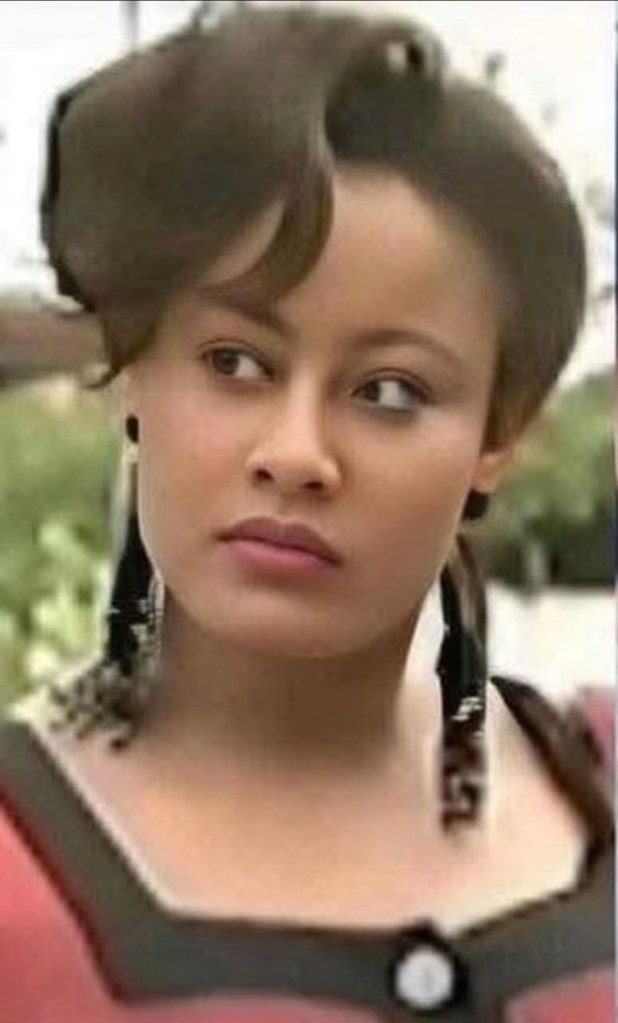
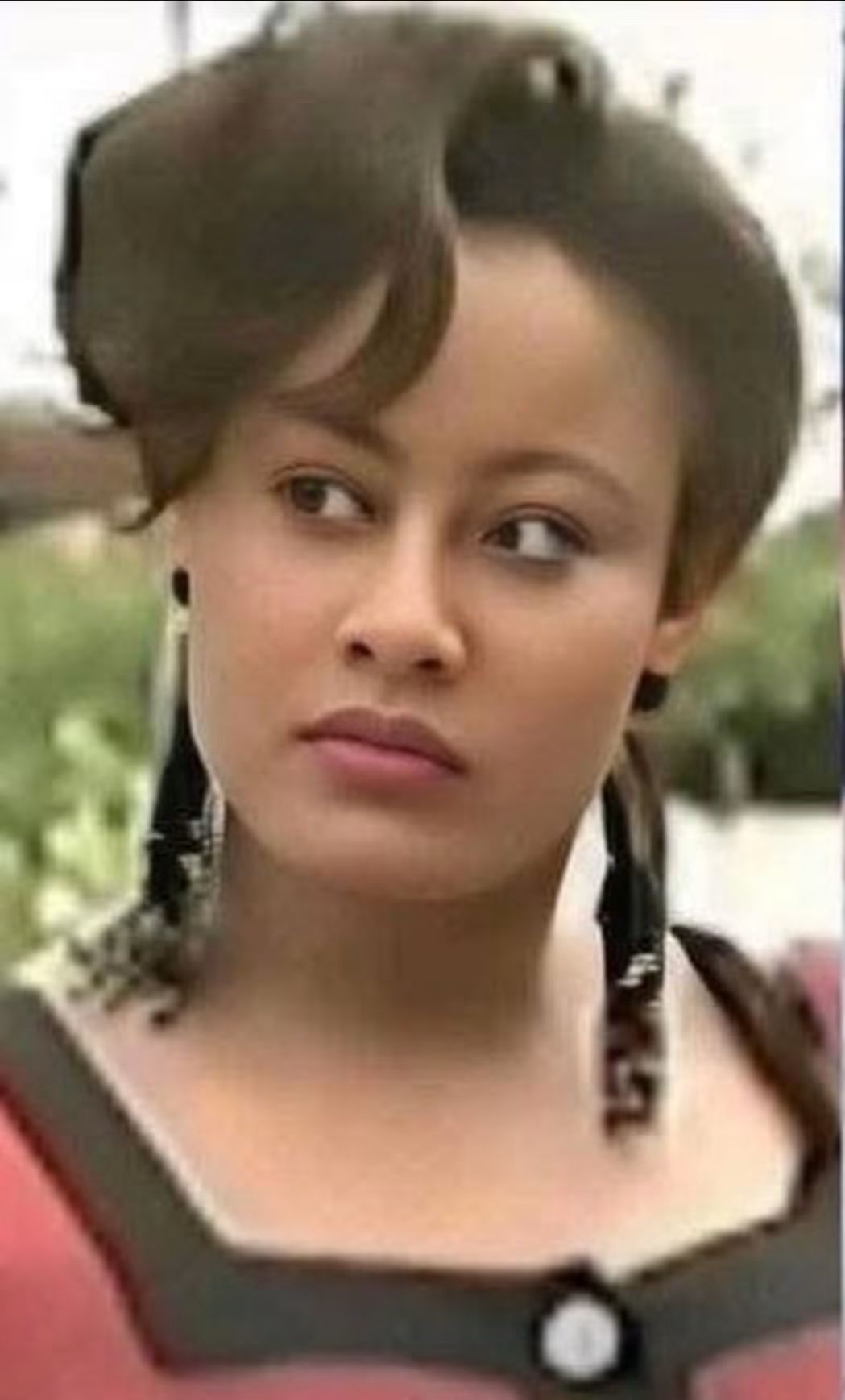
Veteran filmmaker Zeb Ejiro introduced her to filmmakers and offered her a role in Nneka the Pretty Serpent. Released in 1994, the film became one of the early popular Nigerian video films, and Ezeonu played Nkechi, a supporting character connected to the central story.
Her appearance in Nneka the Pretty Serpent was followed by another memorable role in Glamour Girls (1994), where she played Thelma.
The contrast between these early roles and the maternal characters for which she would later become famous demonstrated her range. She was not confined to the older, authoritative women audiences would eventually associate with her.
In fact, Ezeonu began her acting career playing younger characters before gradually becoming one of Nollywood’s most recognisable maternal figures.
The Graceful Presence of Nollywood
Over the decades, Ezeonu developed a screen identity built around dignity, authority and emotional depth.
Her performances frequently placed her in roles as mothers, queens, family heads and women whose presence carried considerable weight within the story. This recurring association with maternal characters eventually became one of the defining features of her career.
But describing her simply as a “mother” in Nollywood does not fully capture her contribution.
She has played women from different social classes and circumstances, moving between traditional and contemporary settings and appearing alongside several generations of Nigerian actors.
Her filmography includes productions such as Nneka the Pretty Serpent, Glamour Girls, I Swear, My Sister My Love, A Time to Love 2 and Adesuwa. IMDb also lists later credits, including Oversabi Aunty (2025).
Ezeonu has also spoken about the enormous number of productions in which she has appeared. In a 2016 THISDAY interview, she said she had lost count, estimating that she had featured in more than 500 or close to 1,000 films. Because published film databases and media profiles give varying totals, a precise lifetime film count is difficult to establish.
Recognition for Her Work
Ezeonu’s contribution to Nigerian cinema has received formal recognition.
In 2012, she appeared in Adesuwa, a performance that earned her a nomination for Best Supporting Actress at the 8th Africa Movie Academy Awards.
Her longevity in the industry has also been recognised by Nigerian media organisations. In 2024, The Sun Nigeria named her its Nollywood Icon of the Year for its 2023 awards.
Such recognition reflects a career that has survived several transformations in Nigerian entertainment, from the early video-film era to the more digitally driven industry of today.
Beyond the Screen
Ezeonu’s story is also significant because she entered Nollywood with professional experience outside acting.
She was already a trained journalist and broadcaster before becoming an actress. Her own account of her career shows that journalism and acting were not entirely separate worlds for her.
As she told THISDAY in 2016, journalism was her first professional love and the skills she acquired in the field complemented her acting career.
That background may also help explain the confidence and communication skills that became visible in her performances.
When Death Rumours Went Viral
In January 2024, Ezeonu became the subject of widespread false reports claiming that she had died.
The rumours followed a social-media post in which she paid tribute to a deceased friend using an image of a burning candle. Some users and blogs interpreted the post as an announcement of her own death.
Ezeonu subsequently addressed the rumours herself, stating that she was alive and healthy and explaining that the candle was a tribute to her friend. Africa Check independently investigated the claim and also concluded that the death reports were false.
The incident was particularly ironic because of Ezeonu’s journalism background. In addressing the rumours, she emphasised the importance of confirmation before publishing information about someone’s death.
A Career That Spans Generations
Born in 1965, Ngozi Ezeonu turned 60 in May 2025 and remains one of the veteran faces associated with the development of modern Nigerian cinema.
Her journey from Owerri to journalism, broadcasting and eventually Nollywood illustrates how careers in Nigerian entertainment have often developed through unexpected routes.
She was a hairstylist.
She became a journalist.
She worked in radio.
Then she entered the emerging Nigerian film industry and built a career that has lasted for more than three decades.
For many viewers, however, her legacy is ultimately found in the characters she brought to life: the mother whose presence commanded respect, the queen whose authority shaped a kingdom, the woman who held a family together, and the older figure whose words could change the direction of an entire story.
Ngozi Ezeonu is therefore more than a familiar face from the early days of Nollywood.
She is part of the generation that helped establish the industry’s visual and cultural vocabulary, carrying her experience from journalism and broadcasting into film and becoming one of the most recognisable maternal figures in Nigerian cinema.
From Ngozi Ikpelue of Ogbunike to the veteran actress known across generations as Ngozi Ezeonu, hers is a story of reinvention, longevity and a remarkable transition from the microphone to the screen.
- THISDAY, “Ngozi Ezeonu: I Was a Journalist Before I Became an Actress,” 5 November 2016.
- The Sun Nigeria, “The Sun Award Winners 2023: Ngozi Ezeonu, Actress: Nollywood Icon of the Year,” 24 January 2024.