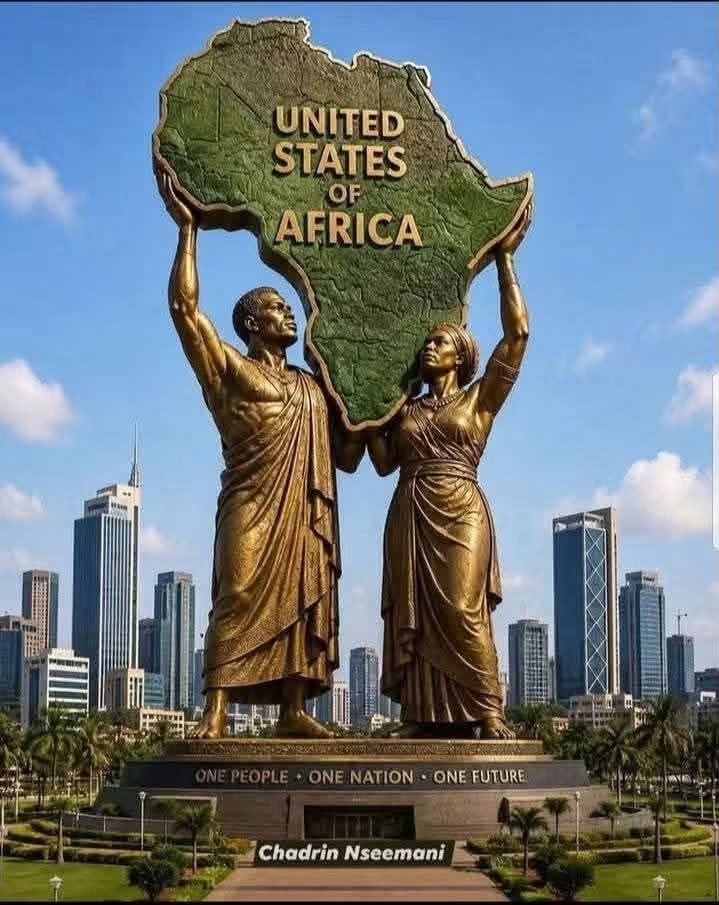
THE CALL FOR AFRICAN UNITY
THE CALL FOR AFRICAN UNITY 🌍🌍 ✊✊: A Responsibility Beyond Words
The aspiration for African unity—whether as a united continent or a collective of sovereign nations—is a powerful and inspiring vision. It speaks to the shared history, culture, and destiny of over a billion people across diverse nations. Yet, this grand vision risks becoming hollow rhetoric if it is not grounded in the everyday realities of how Africans treat one another.
Unity is not merely a political or economic ideal; it is a lived responsibility. It demands more than symbolic gestures or lofty declarations. It requires a fundamental shift in how we engage with each other on a personal level—starting with respect, empathy, and kindness.
When an African meets another African in a foreign land, or even within their own country, the way they communicate and relate to one another reveals the true state of unity. If the encounter is marked by impatience, rudeness, or disregard, it undermines the very foundation of solidarity we claim to seek. How can we expect to build a united continent when we cannot even extend basic courtesy to a fellow African?
Politeness and respect are not trivial niceties; they are the building blocks of trust and cooperation. They create an environment where collaboration can flourish, where differences are bridged rather than widened, and where collective progress becomes possible.
Moreover, this responsibility extends beyond individual interactions. It calls for a collective cultural transformation—one that values the dignity of every African, regardless of nationality, tribe, or background. It challenges us to confront internal prejudices, stereotypes, and divisions that have been perpetuated over generations.
True African unity begins with the recognition that every African is a brother, sister, and equal partner in the continent’s future. It means fostering a culture of hospitality, patience, and understanding, even in the face of disagreement or hardship.
In essence, the call for African unity is inseparable from the call for personal and communal responsibility. It is a call to embody the values we wish to see reflected in our continent’s political and social structures. Without this, unity remains an abstract ideal, disconnected from the lived experiences of millions.
Let us therefore commit not only to the vision of a united Africa but also to the daily practice of respect and kindness toward one another. Only then can the dream of African unity become a vibrant, enduring reality.