
TODAY IN HISTORY:ON THIS DAY OCTOBER 10, 2020: THE DAY NIGERIAN YOUTHS TOOK TO THE STREETS AND SAID ENOUGH WAS ENOUGH.
TODAY IN HISTORY:ON THIS DAY OCTOBER 10, 2020: THE DAY NIGERIAN YOUTHS TOOK TO THE STREETS AND SAID ENOUGH WAS ENOUGH.
Before the world heard the name #EndSARS, many Nigerian youths already knew what it meant to be afraid of the very people who were supposed to protect them.
For years, Nigerians had @ccused officers of the Special Anti-Robbery Squad (SARS) of harassment, unl@wful @rrests, ext0rtion, torture and other forms of abuse. Young people, in particular, described being stopped on the streets, searched, questioned about their phones and appearance, and treated like criminals simply because of how they looked or what they owned.
For many families, these were not just stories on social media. They were painful experiences.
But in October 2020, something changed.
NIGERIANS HAD HAD ENOUGH.
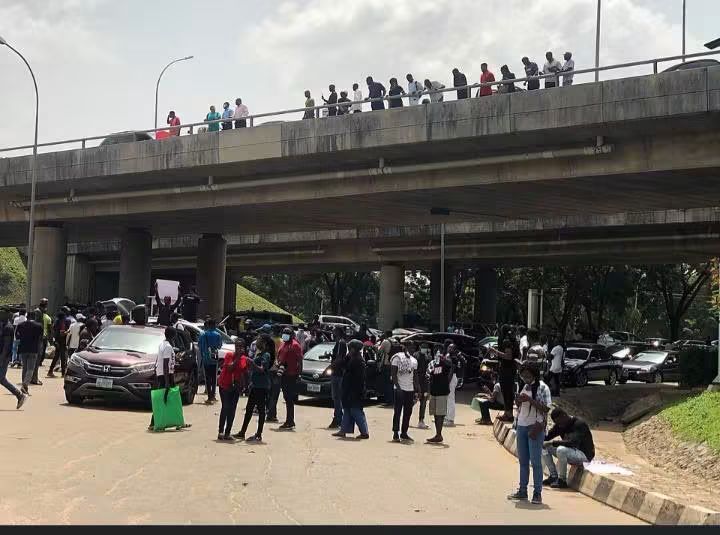
Young people began taking to the streets in large numbers. They marched, carried placards, raised their voices and demanded an end to police brutality.
The protests quickly spread across different parts of Nigeria. People from different backgrounds came together, united by a common demand: they wanted to live in a country where the police would protect them rather than make them afraid.
It was a remarkable moment of unity.
On October 10, 2020, the protests turned deadly in Ogbomoso, Oyo State, when a young Nigerian named Jimoh Isiaka was shot during the demonstrations. He later d1€d from his injuries. Several other prot€sters were also 1njured.
His death became one of the painful reminders that demanding one’s rights could come at a terrible cost.
But the prot€sts did not end there.
As more Nigerians joined the movement, the demands grew louder. Protesters wanted SARS disbanded, police officers held accountable for abuses, and meaningful reforms to prevent further v1.0lations of citizens’ rights.
Then came October 20, 2020 — the night that would forever remain in Nigeria’s history.
At the Lekki Toll Gate in Lagos, young Nigerians had gathered peacefully, singing the national anthem and waving the Nigerian flag.
They were Nigerians standing together, asking for a better country.
That night, soldiers arrived and opened fire on protesters. The Lagos State Judicial Panel of Inquiry later concluded that soldiers had sh0t, injured and k>illed un@rmed prot€sters. The panel also found that pol!ce officers f!red at prot€sters during the night and into the following morning, resulting in injuries and de@ths. The govern’ment disputed important aspects of the panel’s findings.
The images and reports from Lekki shocked Nigerians and drew international attention.
The same young people who had marched for their rights were now struggling to understand how a peaceful protest could end in such tragedy.
And after that night, one question refused to disappear.
WHO GAVE THE ORDER?
Who authorised the deployment that ended with soldiers firing at protesters?
Who should be held accountable for what happened that night?
And why do so many Nigerians still feel that justice has not been fully served?
The Lagos State Judicial Panel submitted its report in November 2021 and made recommendations, including sanctions for security personnel involved in the shootings and compensation for victims. But for many Nigerians, the search for accountability and a satisfactory resolution remains unfinished.
The #EndSARS movement was more than a protest against a police unit. It was a powerful expression of the frustration of a generation that wanted dignity, safety, accountability and a country where nobody would be abused simply because they were young.
It showed what could happen when Nigerians put their differences aside and stood together for a common cause.
But it also left behind grief, anger, unanswered questions and families whose lives were changed forever.
October 2020 remains a painful chapter in Nigeria’s history.
The prot€sters wanted to be heard. They wanted to be safe. They wanted a better Nigeria.
They came out in their thousands and raised their voices because they believed their lives mattered.
And years later, the question remains:
WHO GAVE THE ORDER AT LEKKI TOLL GATE, AND WILL NIGERIANS EVER GET THE FULL ANSWER?
History must be told — the good, the bad and the uncomfortable. Because remembering the past is part of demanding a better future.

