The gold dinar: Was Gaddafi planning a new African currency?
. The gold dinar: Was Gaddafi planning a new African currency?
al-Gaddafi, 12th AU Summit,
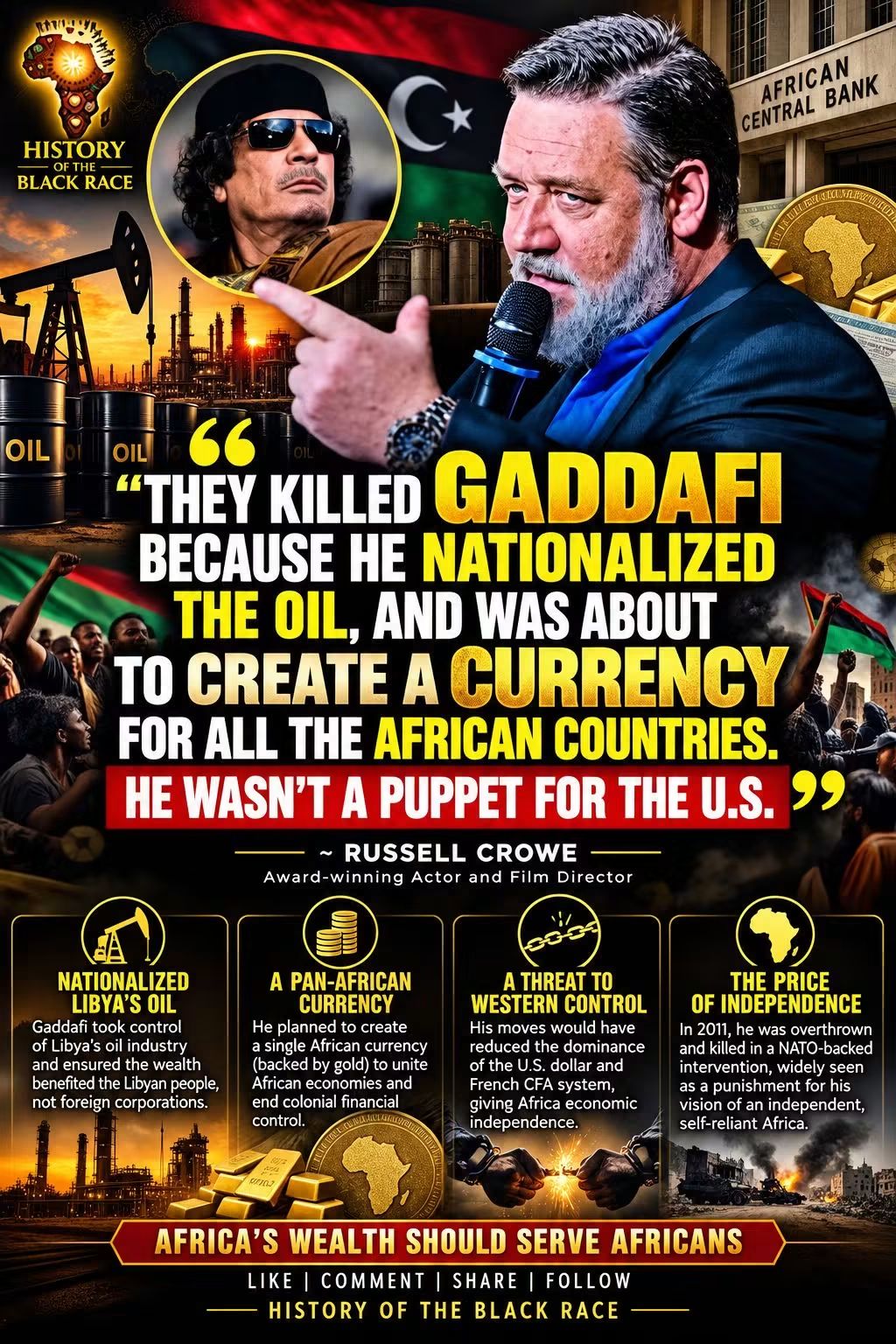
One of the most controversial parts of Gaddafi’s legacy concerns the idea of a pan-African currency, sometimes described as a gold-backed African dinar.
The vision was bold: African countries could strengthen their financial independence, reduce reliance on external monetary systems, and increase their ability to trade using their own regional institutions.
In 2009, Gaddafi publicly championed greater African political and economic unity while serving as African Union chairperson. His broader ambitions included stronger continental institutions and closer cooperation among African states.
But an important distinction must be made: the idea of greater African monetary independence is real, while the claim that Gaddafi was killed specifically to stop a gold-backed currency remains unproven. Africa Check examined the widely circulated claim and found insufficient reliable evidence to establish that it was the reason for the 2011 intervention.
Why does this distinction matter?
Because Africa does not need an unverified story to justify its pursuit of economic independence. The documented history of colonial exploitation, unequal economic relationships, and struggles over resource ownership is already important enough to demand serious attention.
The bigger question is whether African nations can build the financial institutions, industrial capacity, and political cooperation needed to exercise greater control over their economic future.
. Why would a common African currency matter?
Africa’s Richest King Pushing to Boost African Gold
Consider what stronger monetary cooperation could mean for Africa.
- Easier regional trade: A well-designed common currency could reduce some transaction costs between participating countries.
- Greater financial cooperation: African institutions could help mobilize savings and finance regional development.
- Stronger negotiating power: Countries working together could have more influence in international economic negotiations.
- Industrial development: Better access to finance could help African businesses manufacture products locally instead of depending so heavily on imports.
However, a common currency is not a magic solution. Countries would need economic coordination, credible institutions, sustainable public finances, and mechanisms for managing financial crises.
Europe’s experience with the euro illustrates both the opportunities and the difficulties of sharing a currency across different economies.
Africa must therefore think beyond the dream of a single currency. It must build the economic foundations that would make such a currency work.
The fall of Gaddafi: What happened in 2011?
In 2011, protests against Gaddafi’s government escalated into an armed conflict. The United Nations Security Council adopted Resolution 1973, authorizing measures to protect civilians, and NATO subsequently conducted military operations in Libya.
The intervention contributed to the collapse of Gaddafi’s government. He was captured and killed in October 2011.
The intervention’s motives, conduct, and consequences remain subjects of considerable debate. Critics argue that the operation went beyond civilian protection and helped bring about regime change. Others emphasize the conflict’s immediate humanitarian and political circumstances.
Was control over oil, strategic influence, or Gaddafi’s ambitions for Africa part of the wider geopolitical picture? These are legitimate questions for historians and researchers.
But claiming that a proposed African currency was definitively the reason he was killed goes beyond the evidence currently available.
We must be willing to investigate powerful interests without turning suspicions into established facts.
A serious African historical movement must challenge propaganda while refusing to spread unverified claims as history.
. The lesson Africa must learn: No single leader can deliver liberation alone
Perhaps the most important lesson is not whether Gaddafi’s currency proposal would have succeeded.
It is that Africa’s future cannot depend on one president, one revolutionary, or one wealthy nation.
What happens when a continental project depends heavily on a single leader? What happens when political disagreements prevent countries from cooperating? And what happens when institutions are too weak to survive a change of government?
These questions deserve our attention.
Africa needs strong institutions, accountable governments, regional partnerships, independent research, and citizens who understand how economic power works.
We need to move from exporting raw materials to manufacturing finished products. We need to invest in science, technology, agriculture, energy, education, and traditional craftsmanship. We need African banks and development institutions capable of supporting African entrepreneurs.
Above all, we need leaders who understand that national wealth is a responsibility to the people, not a personal possession.
. Africa’s economic independence must become a collective mission
The story of Gaddafi reminds us of a debate that remains unfinished: Who should shape Africa’s economic future?
But the answer cannot simply be to replace dependence on one foreign power with dependence on another. Genuine independence means having the capacity to make informed decisions, build productive industries, protect public resources, and cooperate with other nations on fair terms.
A powerful Africa would not need to isolate itself from the world. It would engage the world from a position of strength.
Imagine Nigerian manufacturers supplying goods across West Africa. Imagine African agricultural products being processed locally before reaching international markets. Imagine African universities developing technologies for African challenges, and African financial institutions funding businesses that create millions of jobs.
That future requires more than slogans. It requires knowledge, discipline, cooperation, and action.
Gaddafi’s legacy remains controversial, but the question of African economic sovereignty belongs to every African, regardless of political opinion.
Our future will not be secured by remembering one leader alone. It will be secured by building institutions and industries strong enough to serve generations.
The question every African should answer
If African countries worked together to control more of their natural resources, strengthen their financial institutions, manufacture their own products, and trade more effectively with one another, how much could the continent achieve?
And here is the deeper question:
Do you believe Africa’s greatest obstacle is foreign interference, poor leadership, internal division—or a combination of all three?
Share your thoughts in the comments. Let us discuss African history with courage, evidence, and an uncompromising commitment to our future.

