Emperor Haile Selassie I: A Devout Christian, a Devout Pan-Africanist, and a Statesman
Emperor Haile Selassie I: A Devout Christian, a Devout Pan-Africanist, and a Statesman
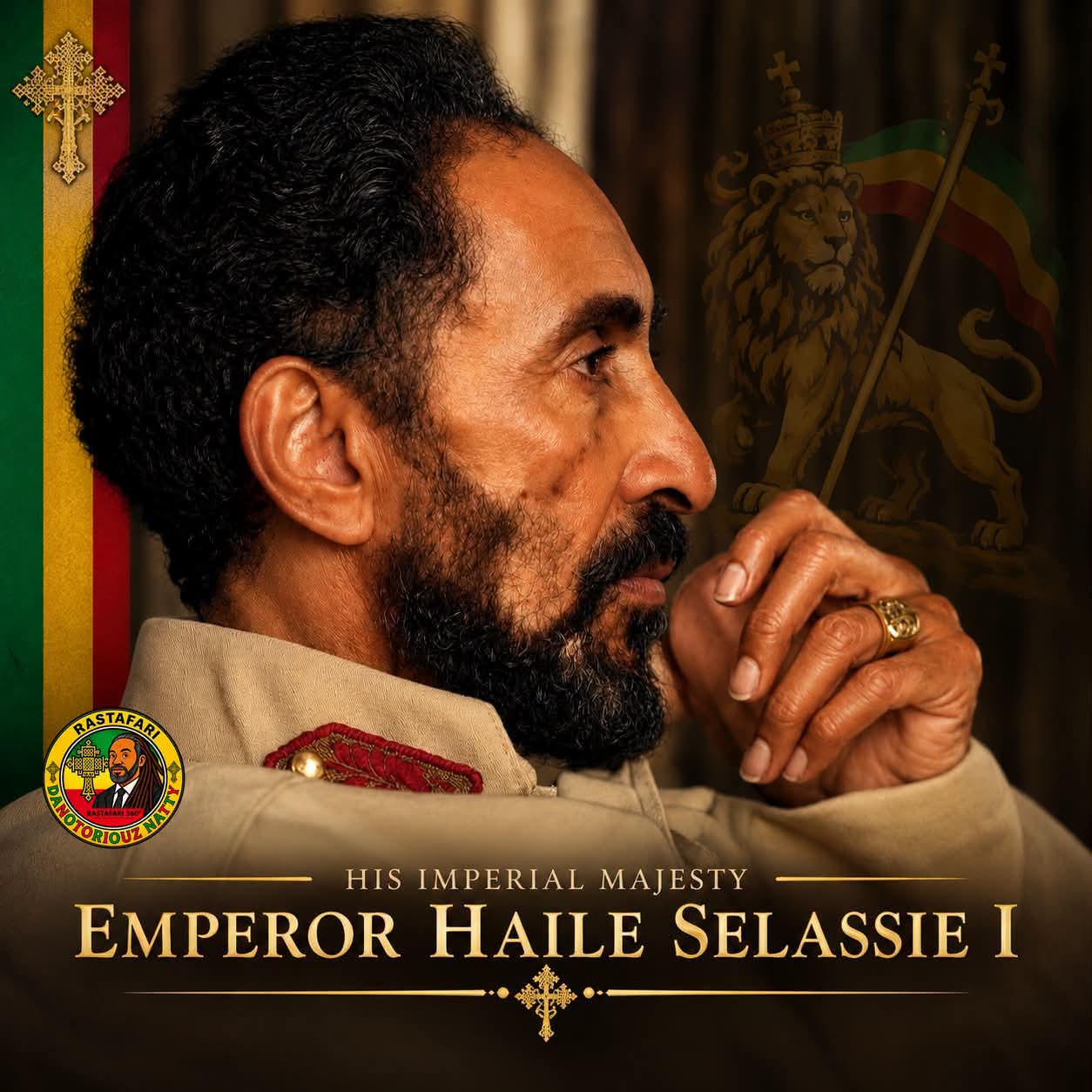
His Imperial Majesty Emperor Haile Selassie I was simultaneously a devout Christian and a committed Pan-Africanist. These convictions were not contradictory or competing ideologies. They were inseparable aspects of his identity, moral principles, leadership, and vision for Ethiopia, Africa, and humanity.
His Christian faith provided the spiritual and moral foundation for his statesmanship, while his Pan-African convictions guided his commitment to African sovereignty, unity, dignity, self-determination, and liberation.
Rooted in his Christian understanding of human dignity, His Majesty believed that political authority carried a responsibility to serve the people. His commitment to constitutional government was reflected in Ethiopia’s first written constitution in 1931 and the revised constitution of 1955. His international leadership reflected his belief in equality among nations, collective security, and the rights of peoples to determine their own futures.
His Christian principles were particularly evident when he returned to Ethiopia in 1941 following the defeat of the Italian occupation forces. Rather than encouraging revenge, he instructed Ethiopians to refrain from cruelty and retaliation against their defeated enemies. His appeal for forgiveness and restraint demonstrated his conviction that justice and mercy were essential to national restoration.
During the Italian invasion and his subsequent exile, His Majesty’s faith in Almighty God sustained his determination to defend Ethiopia’s independence. His historic address before the League of Nations in 1936 was both a defense of Ethiopian sovereignty and an appeal to the international community to uphold justice against aggression.
His Pan-African leadership was equally significant. As a central figure in the establishment of the Organization of African Unity in Addis Ababa in 1963, he worked to strengthen cooperation among independent African states, support liberation movements, oppose colonial domination, and advance African unity.
His Majesty did not believe that Ethiopia’s ancient Christian heritage alone was sufficient. He encouraged his people to become actively Christian through obedience to God’s commandments, moral responsibility, and service to others. His understanding of leadership emphasized duty rather than personal privilege.
His Christianity did not diminish his African identity, and his Pan-Africanism did not require him to abandon his Christian faith.
He demonstrated that one could be unapologetically African, unapologetically Christian, and unapologetically Pan-African.
This historical reality presents a difficult burden for those who insist that Christianity and African liberation are inherently incompatible.
His Majesty’s life challenges that false division.
He defended African independence while professing Jesus Christ. He promoted African unity while remaining faithful to the Ethiopian Orthodox Tewahedo Church. He championed the dignity of African peoples while advocating justice, peace, and equality for humanity.
His Christian convictions and Pan-African commitments were expressed through the same life of public service.
To honor Emperor Haile Selassie I while rejecting his Christian faith or disregarding his Pan-African leadership is to present an incomplete understanding of the man and his historical legacy.
His Majesty should be understood through his documented words, actions, and convictions rather than through theological or political interpretations imposed upon him.
Emperor Haile Selassie I did not have to choose between Jesus Christ and Africa. He remained devoted to both his Christian faith and the liberation, dignity, and unity of African peoples.
For those unwilling to accept both realities, the historical truth may indeed be too heavy a burden to carry.

