THE SAND WAR: WHEN TWO NEWLY INDEPENDENT AFRICAN NATIONS TURNED THEIR GUNS ON EACH OTHER
THE SAND WAR: WHEN TWO NEWLY INDEPENDENT AFRICAN NATIONS TURNED THEIR GUNS ON EACH OTHER 🇩🇿🇲🇦
In 1963, Algeria and Morocco were both young independent nations, carrying the wounds of colonialism and trying to build their futures.
Then, a border drawn during the colonial era became the center of a terrible conflict.
The disagreement was over territory along their frontier. Morocco believed some areas should belong to Morocco, while Algeria defended the borders it had inherited at independence.
What began as a political dispute soon became a military confrontation.
THE SAND WAR HAD BEGUN.
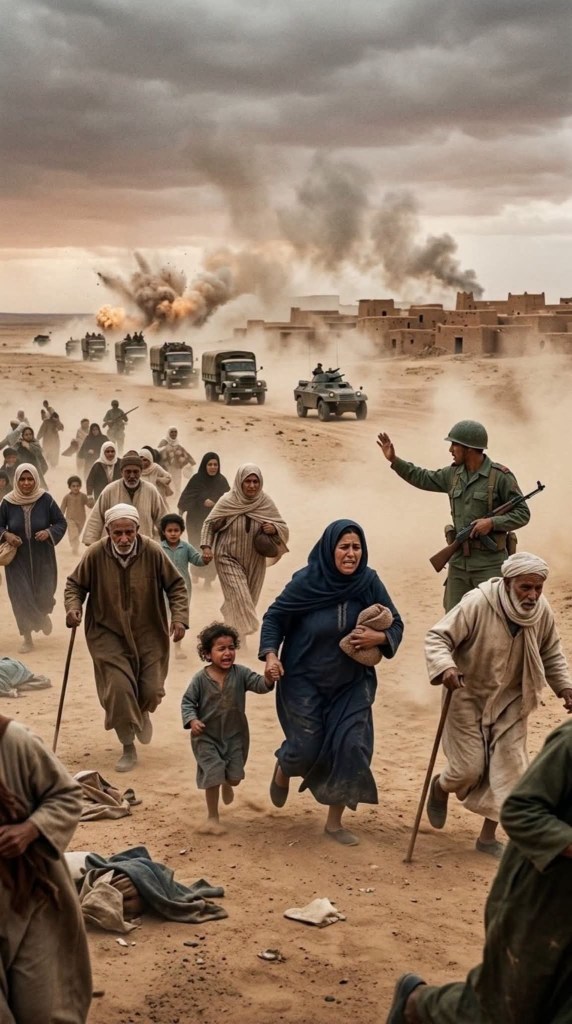
Soldiers moved through the harsh desert landscape. Tanks and military vehicles crossed the sand. Gunfire replaced diplomacy, and villages near the frontier were suddenly caught between two African armies.
For ordinary families, none of the political arguments mattered anymore.
They simply wanted to survive.
Homes were abandoned. Families fled. Young soldiers—many of whom had only recently celebrated independence from colonial rule—were now facing other Africans across the battlefield.
And perhaps that was the saddest part.
AFRICA HAD JUST WON ITS FREEDOM FROM COLONIAL RULE… YET AFRICANS WERE NOW FIGHTING AFRICANS OVER BORDERS LEFT BEHIND BY COLONIALISM.
The fighting continued through late 1963 and into 1964. African leaders became increasingly concerned that the conflict could become even more dangerous.
Diplomacy eventually succeeded where weapons could not.
A ceasefire was reached, and the fighting stopped.
But the scars remained.
The Sand War became one of the earliest major interstate conflicts between newly independent African countries and a painful reminder of how colonial borders could continue to create tensions long after independence.
Two flags, two nations. one boarder. and too many lives caught in the middle.
🇩🇿 ALGERIA
🇲🇦 MOROCCO
HISTORY DOES NOT ONLY REMEMBER WHO WON. SOMETIMES, IT REMEMBERS THE PEOPLE WHO LOST EVERYTHING.