
Historicity
Why Did the Yoruba Not “Avenge” Fajuyi, Abiola and Kudirat? — A Question Nigeria Must Dare to Ask
Historicity
Why Did the Yoruba Not “Avenge” Fajuyi, Abiola and Kudirat? — A Question Nigeria Must Dare to Ask
There is an uncomfortable question buried deep inside Nigeria’s history:
Why did the Yoruba political and military establishment not respond to the deaths and persecution of some of their most prominent sons and daughters with the same intensity with which the memory of January 15, 1966 has been preserved?
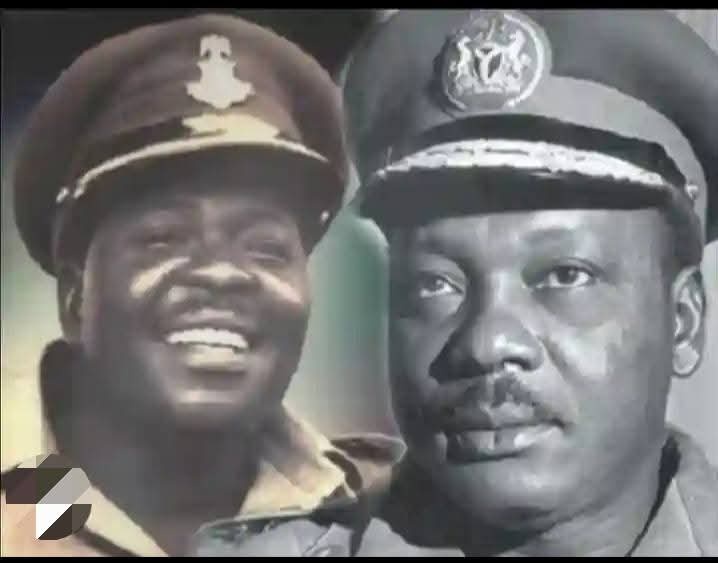
Consider Lieutenant-Colonel Francis Adekunle Fajuyi. On July 29, 1966, Fajuyi, the Military Governor of Western Nigeria, was killed alongside Head of State Major-General Aguiyi-Ironsi during the counter-coup in Ibadan. Historical accounts portray Fajuyi as having refused to abandon his guest, although historians differ over some details of the episode. His death was tragic. But where was the collective Yoruba military response?
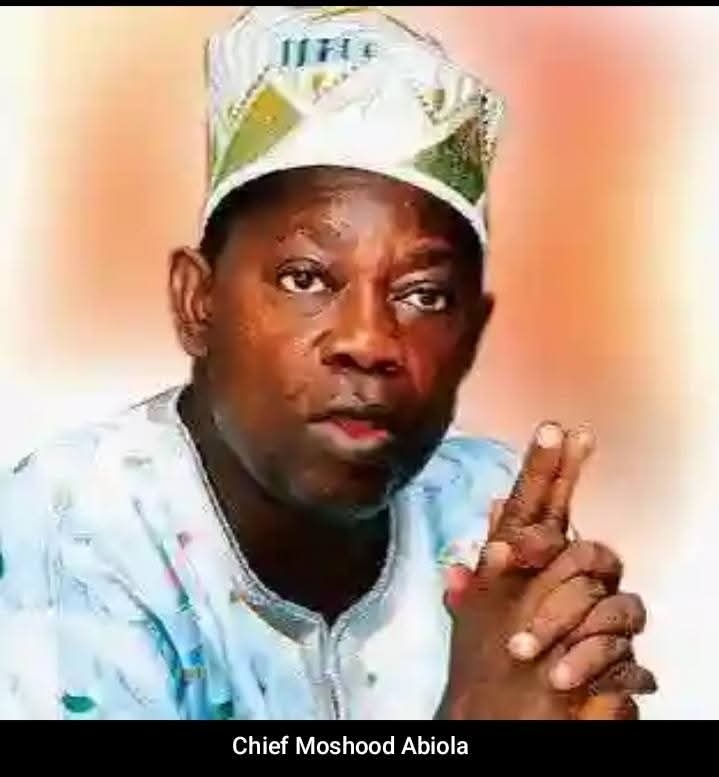
Then came June 12, 1993. Moshood Kashimawo Olawale Abiola was widely regarded as the winner of the presidential election that was annulled by General Ibrahim Babangida. Abiola subsequently became a prisoner of the military regime after demanding recognition of his mandate. He died in detention on July 8, 1998, shortly after the death of General Sani Abacha. An independent autopsy attributed his death to longstanding heart disease, although suspicions surrounding his death have persisted.
And then there was Kudirat Abiola. While her husband remained imprisoned, Kudirat became one of the most prominent voices demanding his release and restoration of the June 12 mandate. On June 4, 1996, she was assassinated by gunmen in Lagos. Amnesty International reported fears that government agents might have been involved, although responsibility for the killing remains a deeply contested part of Nigeria’s history.
The following is a list of Yoruba people who were victims of Abacha’s dictatorship.
- Rear Admiral Babatunde Elegbede: shot and killed in Lagos in June 1994.
- Admiral Emmanuel Olu Omotehinwa: shot dead in his Lagos home in May 1996.
- Chief (Mrs) Bisoye Tejuoso: the mother of a traditional ruler was murdered in Abeokuta in September 1996.
- Alhaja Suliat Adedeji: a politician and businesswoman killed at her residence in Ibadan in November 1996.
- Toyin Onagoruwa: a lawyer and son of the former attorney-general minister of justice, Olu Onagoruwa, assassinated in 1996. The shock of his son’s brutal assassination caused the father to suffer a stroke and deteriorate in health generally.
- Dr. Sola Omatsola: killed in a bomb blast at the Murtala Muhammed Airport in 1997.
- Tunde Oladepo: a newspaper bureau chief shot at his home in 1998.
- Kudirat Abiola: the pro-democracy campaigner and wife of MKO Abiola was shot and killed in Lagos in June 1996
And there was Alfred Rewane, a wealthy businessman and prominent financier of the National Democratic Coalition (NADECO) who was murdered in his Lagos home in October 1995 although he was not Yoruba.
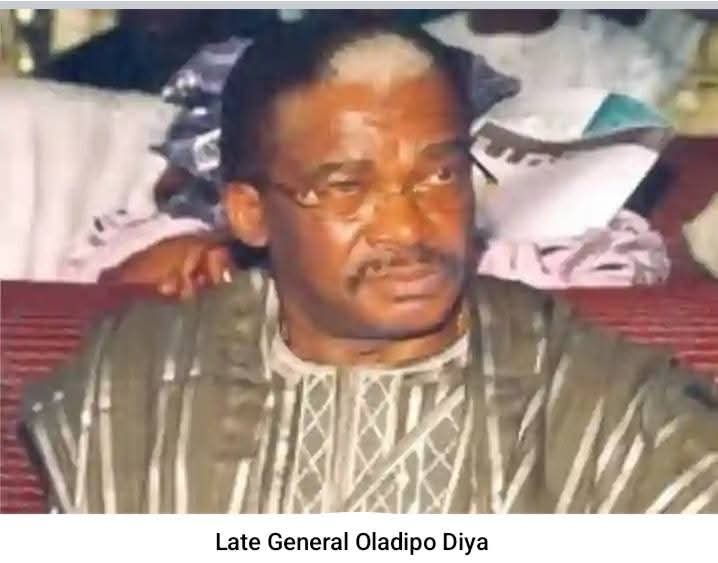
Further, Oladipo Diya and several Yoruba officers were accused of plotting a coup against the Abacha regime. They were arrested, detained, tortured, humiliated, and sentenced to death by firing squad. But by a stroke of fate, they escaped death by the whiskers following Abacha’s sudden death in June 1998.
Why do the Yoruba hardly ever mention these victims or hold any grievance against Sani Abacha, his Kanuri tribe, or his northern region for his brutality against the Yoruba, yet they continually harp on January 15, 1966, the Yoruba victims of that coup, and blame the Igbos for the deaths of their people? Is it that the Yoruba are afraid of the North, or that Colonel Fajuyi and the Yoruba victims of the June 12 struggle are less important to the Yoruba than the Yoruba victims of January 15?
True, the Yoruba did resist to some extent. NADECO emerged in 1994 and mobilised against military rule. Yoruba politicians, activists, journalists and ordinary citizens participated in protests. Some were arrested. Others went into exile. Many paid significant personal prices for opposing the Abacha dictatorship.
So perhaps the real question is not why the Yoruba did nothing. The deeper question is: Why did their resistance take a different form? Why was the response to the Abacha dictatorship primarily political, democratic and civil rather than military or retaliatory?
Why did the memory of January 15, 1966 become so deeply embedded in some Yoruba narratives of Nigerian history, while the persecution of Abiola, Kudirat and other June 12 activists did not produce a comparable demand for collective vengeance? And why do some Nigerians remember the victims of one historical episode with extraordinary intensity while treating the victims of another as though they belong to a different historical universe?
There is another uncomfortable comparison.
The January 1966 coup led to the deaths of prominent northern political and military figures, including Sir Ahmadu Bello and Sir Abubakar Tafawa Balewa. The subsequent July counter-coup unleashed a much wider cycle of violence, including massacres of Igbo soldiers and civilians and the eventual pogroms against Igbo people in the North.
That history continues to influence how many Nigerians understand January 15.
But should historical memory become a competition over whose dead deserve remembrance and whose dead deserve silence?
Certainly not.
If Fajuyi’s death matters, remember it.
If Abiola’s imprisonment matters, remember it.
If Kudirat’s assassination matters, remember it.
If the victims of the January 1966 coup matter, remember them.
If the northern massacres of 1966 matter, remember them.
If the Igbo civilians and soldiers who died in the pogroms and the Nigeria-Biafra war matter, remember them too.
History should not be a courtroom in which one ethnic group is permanently the plaintiff and another permanently the defendant. The greater tragedy of Nigeria is that we have repeatedly inherited the wounds of our ancestors without inheriting the courage to examine all sides of those wounds honestly.
Perhaps the Yoruba did not “forget.” Perhaps they chose a different weapon: political resistance rather than ethnic revenge. Perhaps that was wisdom. Perhaps it was pragmatism. Perhaps it was cowardice. Perhaps it was fear of another military catastrophe. Perhaps it was the recognition that revenge would only produce another cycle of revenge. Or perhaps Nigeria’s complicated political structure made collective ethnic retaliation impossible. Whatever the answer, one thing is certain: We cannot understand Nigeria’s history by asking only, “Who killed our people?”
We must also ask: Why did some deaths become sacred memories while others faded into the background? Who controls historical memory? Who gets to define the national victim? And most importantly: Can Nigerians remember their dead without turning memory into another weapon against the living? That may be one of the most important historical questions Nigeria has yet to answer.
 Hi welcome to my website